Skin rejuvenation and regenerative treatments
Acne (Pimple) Treatment in Istanbul (Bakırköy)
Acne treatment means bringing acne under control with medical treatment and a regular home care routine planned according to the type and severity of the pimples. Once active acne has settled, mesotherapy, PRP or exosome applications can be planned for the remaining scars and dark marks; improvement usually becomes noticeable within 4-8 weeks.
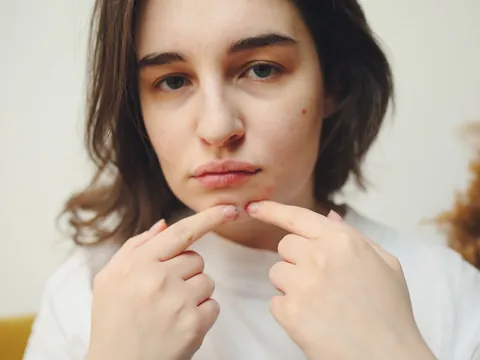 Illustrative image · Pexels / Polina Tankilevitch
Quick facts
- Procedure time
- 20-40 minutes (examination and application)
- Sessions
- According to the treatment plan; 3-4 sessions for scar and dark-mark applications
- Onset of effect
- 4-8 weeks
- Duration of effect
- Kept under control with regular follow-up and home care
- Comfort / anaesthesia
- Numbing cream if needed
- Return to daily life
- None for topical treatment; 24-48 hours of mild redness after scar applications
Acne Treatment: What is it?
Acne is a skin condition caused by overactive oil glands, blocked pores, bacterial growth and inflammation, most often affecting the face, chest and back. It can range in severity from blackheads and whiteheads to inflamed pimples and deep cysts.
Treatment begins with an examination: the type and severity of the acne and its triggers (hormonal changes, products used, medications, diet) are assessed. In mild and moderate acne, good results can be achieved with prescription topical treatments and a regular home care routine. In severe or cystic acne, acne that requires oral medication, or when a hormonal disorder is suspected, you are referred to dermatology or the relevant specialty. For scars that remain after active acne has settled, skin-renewing applications are planned.
Who is it suitable for?
- People with mild to moderate active acne
- People with blackheads, whiteheads and clogged pores
- People with dark marks and superficial scars left after acne
- Adults with recurring pimples
Who should not have it?
- Severe cystic acne or acne requiring oral medication (referral to dermatology is made)
- Certain active ingredients during pregnancy (assessed at the examination)
- Active infection or cold sore in the treatment area
- Blood disorders or use of blood thinners (an assessment is needed for scar applications)
How is it performed?
- Examination: assessment of the acne type, severity and triggers
- A personalised treatment and home care plan (cleanser, prescription topical treatment, sun protection)
- Response is reviewed at follow-up appointments and the plan is updated
- Once active acne is under control, mesotherapy, PRP or exosomes for scars and dark marks
Aftercare recommendations
- Do not squeeze or pick pimples; it increases the risk of scarring
- Use SPF 50 sunscreen every day
- Use the recommended home care regularly; stopping early makes relapse more likely
- Do not wear makeup for 24 hours after scar applications, and avoid saunas and strenuous exercise for 48 hours
- Consult your physician before using any new product or medication
Possible side effects and risks
Temporary dryness, redness and sensitivity may occur during the first weeks of prescription topical treatments. After scar and dark-mark applications, redness, small bumps and pinpoint bruising may occur. Unprotected sun exposure can darken the marks (post-inflammatory hyperpigmentation). Response to treatment varies from person to person; acne can follow a chronic course and requires regular follow-up.
Frequently asked questions
How long does acne treatment take?
With home care, improvement usually becomes noticeable within 4-8 weeks. For acne scars and dark marks, applications are generally planned as 3-4 sessions once active acne is under control; regular follow-up is needed to keep acne under control.
Can acne scars be treated?
Dark marks and superficial scars can lighten noticeably. Once active acne is under control, skin-renewing applications such as mesotherapy, PRP or exosomes are planned. For deep pitted scars, realistic expectations are discussed at the examination.
Are medications used in acne treatment?
In mild and moderate acne, prescription topical treatments are commonly used. In cases that require oral medication, such as severe or cystic acne, you are referred for a dermatology assessment.
Why is squeezing pimples not recommended?
Squeezing pushes the inflammation deeper, can spread infection and increases the risk of permanent scars and dark marks. The appropriate treatment for clogged pores and pimples should be planned at an examination.
In every surgical or interventional procedure, results may vary from person to person. It is recommended that you obtain a detailed opinion from your physician before the procedure. The information on this page is for general information only and does not replace a consultation and medical assessment.
Related treatments
Pigmentation (Dark Spot) Treatment
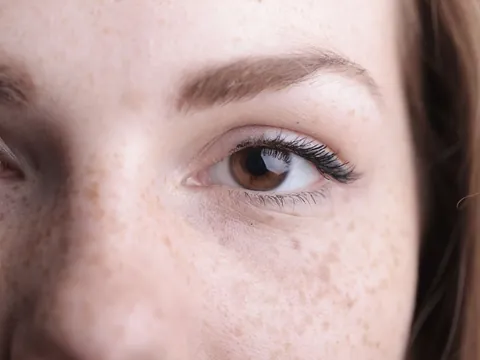 Illustrative image · Pexels / Andrea Piacquadio
Pigmentation treatment aims to reduce hyperpigmentation such as sun spots, melasma (the pregnancy mask) and darkening after acne, using anti-pigment mesotherapy, a personalised home care routine and regular sun protection.
- Procedure time
- 20-40 minutes
- Duration of effect
- Depends on sun protection; melasma may recur
Face Mesotherapy
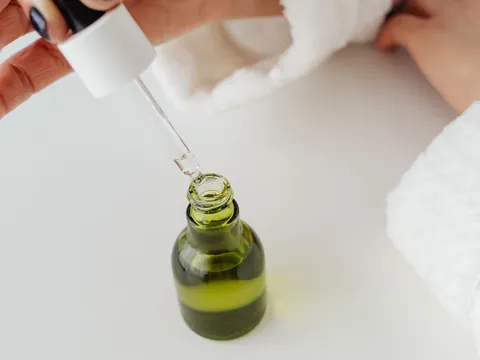 Illustrative image · Pexels / Kaboompics
Face mesotherapy is the application of mixtures containing hyaluronic acid, vitamins, amino acids and antioxidants into the middle layer of the skin with very fine needles.
- Procedure time
- 20-30 minutes
- Duration of effect
- Maintenance every 3-6 months after the course
Face PRP
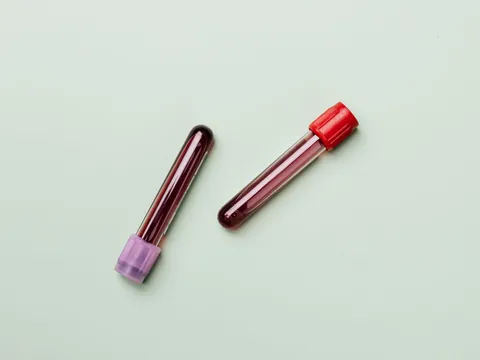 Illustrative image · Pexels / Kaboompics
Face PRP is the application to the skin of platelet-rich plasma separated by centrifuge from a person's own blood.
- Procedure time
- 30-40 minutes
- Duration of effect
- Maintenance every 6-12 months after the course
Exosomes
 Illustrative image · Pexels / Fernando Serrano
Exosomes are nano-sized vesicles, carrying growth factors and proteins, that cells release to communicate with one another.
- Procedure time
- 30-45 minutes
- Duration of effect
- Maintenance every 6-12 months after the course