Botox treatments
Botox in Istanbul: Bakırköy
Botox is the temporary reduction of muscle contraction by placing very small doses of a protein called botulinum toxin into the facial expression muscles. It softens expression lines on the forehead, between the eyebrows and around the eyes (crow's feet); the effect starts in 3-5 days and lasts 3-6 months on average.
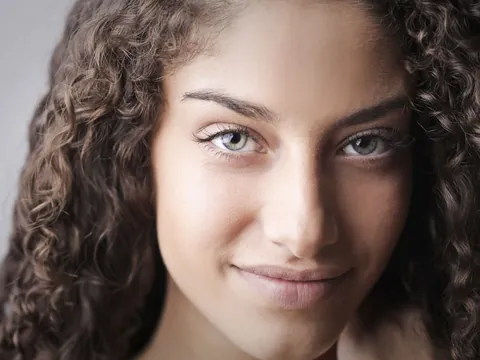 Illustrative image · Pexels / Andrea Piacquadio
Quick facts
- Procedure time
- 10-20 minutes
- Sessions
- Single session (check-up at week 2)
- Onset of effect
- 3-5 days; full effect in 10-14 days
- Duration of effect
- 3-6 months
- Comfort / anaesthesia
- Usually not required
- Return to daily life
- None; daily life the same day
Botox: What is it?
Expression lines form through years of repeated contraction of the facial muscles. Botulinum toxin temporarily reduces the signal between the nerve and the muscle; when the muscle relaxes, the skin over it flattens and the lines soften.
When applied in the right dose, facial expression is preserved; the eyebrows can lift and the person can smile. The goal is not a 'frozen' face but a rested appearance. Botox is used not only for aesthetic purposes but also for medical conditions such as excessive sweating, teeth grinding (bruxism) and migraine.
Who is it suitable for?
- People with forehead lines, frown (anger) lines and crow's feet
- Those who want to lift the eyebrow position slightly (Botox brow lift)
- Younger adults who want preventive treatment before lines become fixed
- People with teeth grinding or excessive sweating
Who should not have it?
- Pregnancy and breastfeeding
- Neuromuscular diseases such as myasthenia gravis and ALS
- Infection in the treatment area
- Known allergy to botulinum toxin
- People taking certain antibiotics (e.g. aminoglycosides): this is asked at the consultation
How is it performed?
- Consultation: muscle strength, facial movements and eyebrow position are assessed
- The face is cleansed and the injection points are marked
- Small doses are placed at each point with very fine needles
- Check-up after 2 weeks; a small balancing dose is given if needed
Aftercare recommendations
- Do not lie down or bend forward for the first 4 hours
- Do not massage or rub the treated area
- Avoid intense exercise, sauna, steam bath and sunbeds for 24 hours
- It is recommended not to wear make-up on the same day
- Come to the check-up appointment on day 14
Possible side effects and risks
Temporary redness, small swelling and bruising at the injection points are common; headache may occasionally occur. Rarely, drooping of the eyelid or eyebrow or asymmetry may be seen; these effects are temporary and usually resolve within a few weeks. Correct choice of points and dose reduces these risks.
Comparison
| Feature | Botox | Hyaluronic acid filler |
|---|---|---|
| How does it work? | Relaxes the muscle | Gives volume and support |
| Which lines? | Lines caused by expression (dynamic lines) | Lines and hollows caused by volume loss (static lines) |
| Onset of effect | 3-5 days | Immediate |
| Duration of effect | 3-6 months | 6-18 months |
| Typical areas | Forehead, frown lines, crow's feet, masseter | Lips, under-eyes, cheekbones, chin, nasolabial folds |
Frequently asked questions
When does Botox start to work?
The effect usually starts within 3-5 days and settles fully within 10-14 days. For this reason the check-up appointment is at week 2.
How long does Botox last?
On average 3-6 months, depending on the person's muscle structure, metabolism and the area treated. With regular treatments the duration may become longer.
Does Botox make the face look frozen?
When the dose and points are planned for the individual, facial expressions are preserved. The aim is not to remove expression but to soften the lines.
Do wrinkles get worse if Botox is stopped?
No. When the effect wears off, the muscle returns to its former movement; the lines do not become worse than they were before treatment.
At what age can Botox be done?
It can be applied after the age of 18, once expression lines start to become visible. It is generally preferred as a preventive treatment after the age of 25-30.
In every surgical or interventional procedure, results may vary from person to person. It is recommended that you obtain a detailed opinion from your physician before the procedure. The information on this page is for general information only and does not replace a consultation and medical assessment.
Related treatments
Forehead Botox
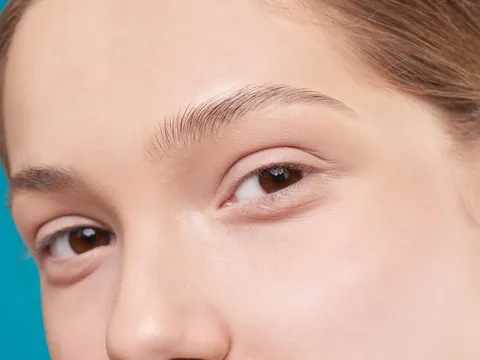 Illustrative image · Pexels / Shiny Diamond
Forehead Botox is the placement of low-dose botulinum toxin into the frontalis muscle that forms the horizontal lines on the forehead.
- Procedure time
- 10 minutes
- Duration of effect
- 3-5 months
Masseter Botox
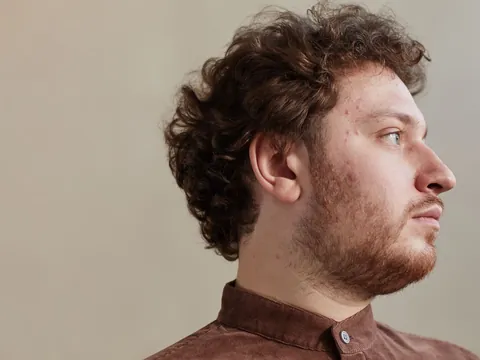 Illustrative image · Pexels / ShotPot
Masseter Botox is the use of botulinum toxin in the masseter, the chewing muscle, to reduce teeth grinding (bruxism), jaw pain and a square face caused by muscle enlargement.
- Procedure time
- 10-15 minutes
- Duration of effect
- 4-6 months (may become longer with repeat treatments)
Underarm Sweating Botox
 Illustrative image · Pexels / Lucas Daniel Villanueva
Underarm sweating Botox treats excessive sweating (axillary hyperhidrosis) by temporarily blocking, with botulinum toxin, the nerve signals that stimulate the sweat glands.
- Procedure time
- 20-30 minutes
- Duration of effect
- 6-9 months (up to 12 months in some people)
Nefertiti Lift
 Illustrative image · Pexels / Daria Liudnaya
The Nefertiti lift is the use of botulinum toxin in the platysma muscle of the neck to soften the neck bands and make the jawline look more defined.
- Procedure time
- 15-20 minutes
- Duration of effect
- 4-6 months